The Next Competitive Advantage in Residential Development May Not Be Product
- Kevin Wash

- Jun 18
- 3 min read
Updated: Aug 6

Over the last four decades working across residential development, one observation has stayed remarkably consistent.
Projects rarely succeed or fail for the reasons people initially believe.
When a project outperforms expectations, the conversation often centres on the architecture, the location, the amenities or the strength of the brand.
When it struggles, attention quickly turns to the market:
Demand was softer than expected.
Buyers became more cautious.
Competition increased.
Yet when you spend enough time inside projects, reviewing business plans, sales strategies and performance over many years, a different picture begins to emerge.
Many of the factors we like to credit for success are often only part of the story, and many of the explanations we give for underperformance arrive long after the real causes have already been set in motion.
One of the most significant shifts I see today is that product quality is no longer the differentiator it once was, not because product has become less important.
Rather because the industry has become exceptionally good at creating it.
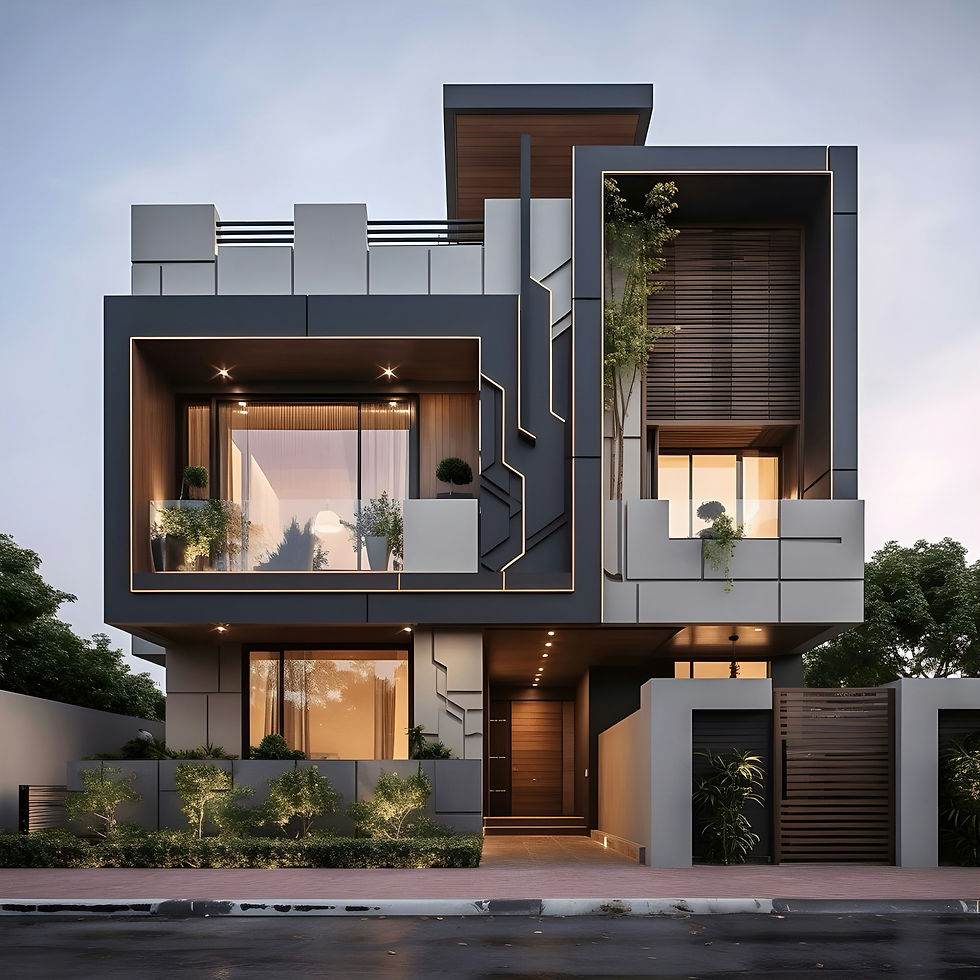
Across residential developments, mixed-use projects and branded residences, the standard has risen dramatically.
Yes, Architecture is stronger, Amenities are more considered, Branding is more sophisticated.
In many markets, buyers now have access to projects that would have been considered exceptional only a few years ago. Which raises an interesting question:
If everyone is building better products, where does outperformance come from?
Over the years, I have reviewed countless development business plans. and regardless of geography, market cycle or asset class, there is always a sales velocity assumption sitting somewhere within the model.
The project will absorb a certain number of residences each month.
Inventory will be sold within a defined period.
Revenue will arrive according to schedule.
The assumptions vary. The principle does not.
What has always interested me is that while enormous effort goes into designing the product, far less attention is often given to designing the system required to achieve those absorption targets.
The velocity exists in the spreadsheet. The commercial architecture required to deliver it is sometimes left to emerge later. That is where I have seen many projects begin to drift away from their original business plans.
Not because the market failed them.
But because velocity was treated as an outcome rather than something that needed to be engineered. The projects that consistently outperform rarely have access to a different market. More often, they operate a different commercial system.
One where pricing, inventory strategy, distribution, buyer experience and execution are deliberately aligned around a defined absorption objective.
From the outside, that difference can be difficult to see. From the inside, it changes everything.
Increasingly, I believe this may be where the next competitive advantage in residential development is emerging.
Not in the product itself., but in the commercial architecture that supports it.
Because exceptional projects are designed. Exceptional performance is engineered.
Written by Kevin Wash
Founder & Commercial Architecture Advisor / VOS Consultants
About the Author: Kevin Wash is the Founder of VOS Consultants and a specialist in Commercial Architecture for Branded Residences and Mixed-Use Developments. Drawing on decades of international experience across hospitality, luxury residential and commercial strategy, he advises developers and hospitality brands on aligning commercial positioning, buyer journey, sales execution and operational readiness to improve long-term project performance.
Further Reading:


Comments